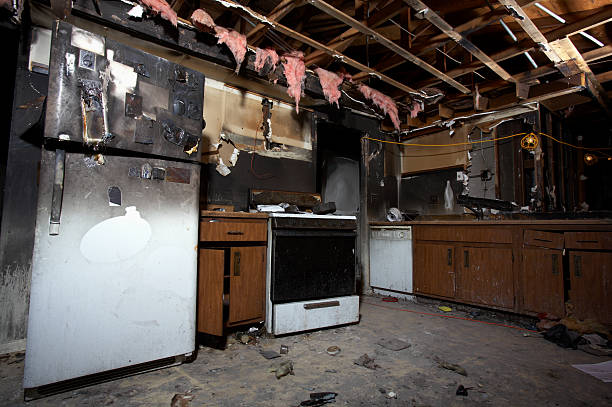
A Paris, AR property recovering from fire damage needs coordinated work, not three invoices from three companies. Fire Damage Restoration keeps it under one roof.
📞 Call +1-866-484-1409 Now
Every Paris, AR technician trains to the IICRC fire and smoke restoration standard.
You explain the job once, not to three separate crews.
A signed number before demolition starts on your Paris, AR property.
Readings and photos tracked at every stage of the Paris, AR job.

This mapping step is what tells us exactly how far drying equipment needs to reach.
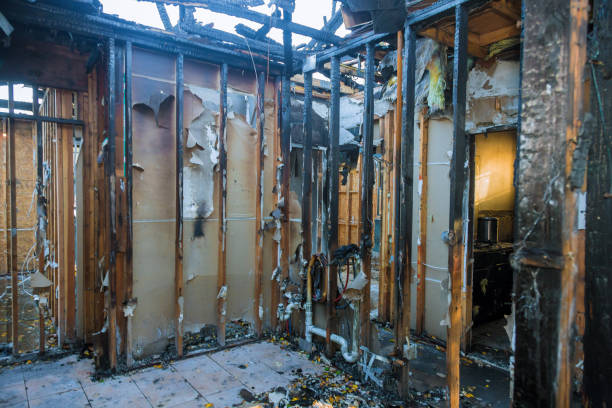
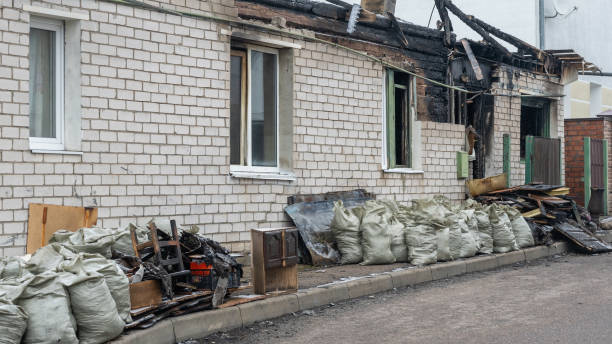
Structural char and fire debris removed under HEPA containment before drying begins.
Air movers and dehumidifiers run on a tracked schedule until framing hits safe moisture benchmarks.
Thermal fogging runs alongside cleaning rather than as an afterthought once everything else wraps.
The rebuild is handled by the same team that ran mitigation, with no handoff gap.
We hand over records your adjuster can act on without follow-up questions.
A real technician answers, not a call center script.
Moisture meters and drying gear travel with every mobile unit.
You review and approve the number before anything is signed.
Work follows the approved plan through to a walkthrough you sign off on.
"One crew handling the whole process start to finish was a relief — no juggling separate contractors." — Homeowner, Paris, AR
"Seeing real moisture numbers each week instead of vague updates made the drying process feel transparent." — Homeowner, Paris
"The adjuster specifically noted how complete the photo and moisture log was compared to other files he'd seen." — Property Manager, Paris, AR
Moisture mapping, structural drying, smoke treatment, and reconstruction under one written plan.
Smaller scopes wrap in two to three weeks; larger structural jobs run six to eight.
Our whole documentation process is built around that certification.
In most cases yes — continuity is the entire point of running one scope.
Yes, documentation is formatted specifically for Paris, AR adjuster review.
We keep response times tight across Paris by staging drying equipment locally instead of routing through a central warehouse.